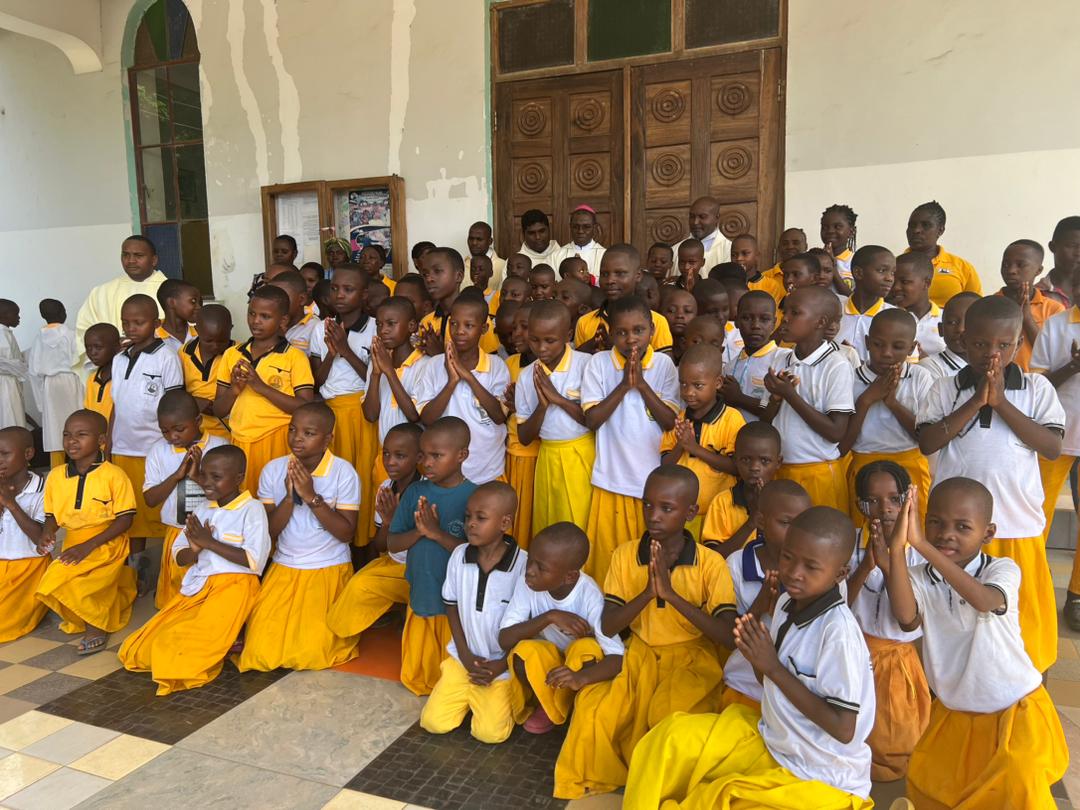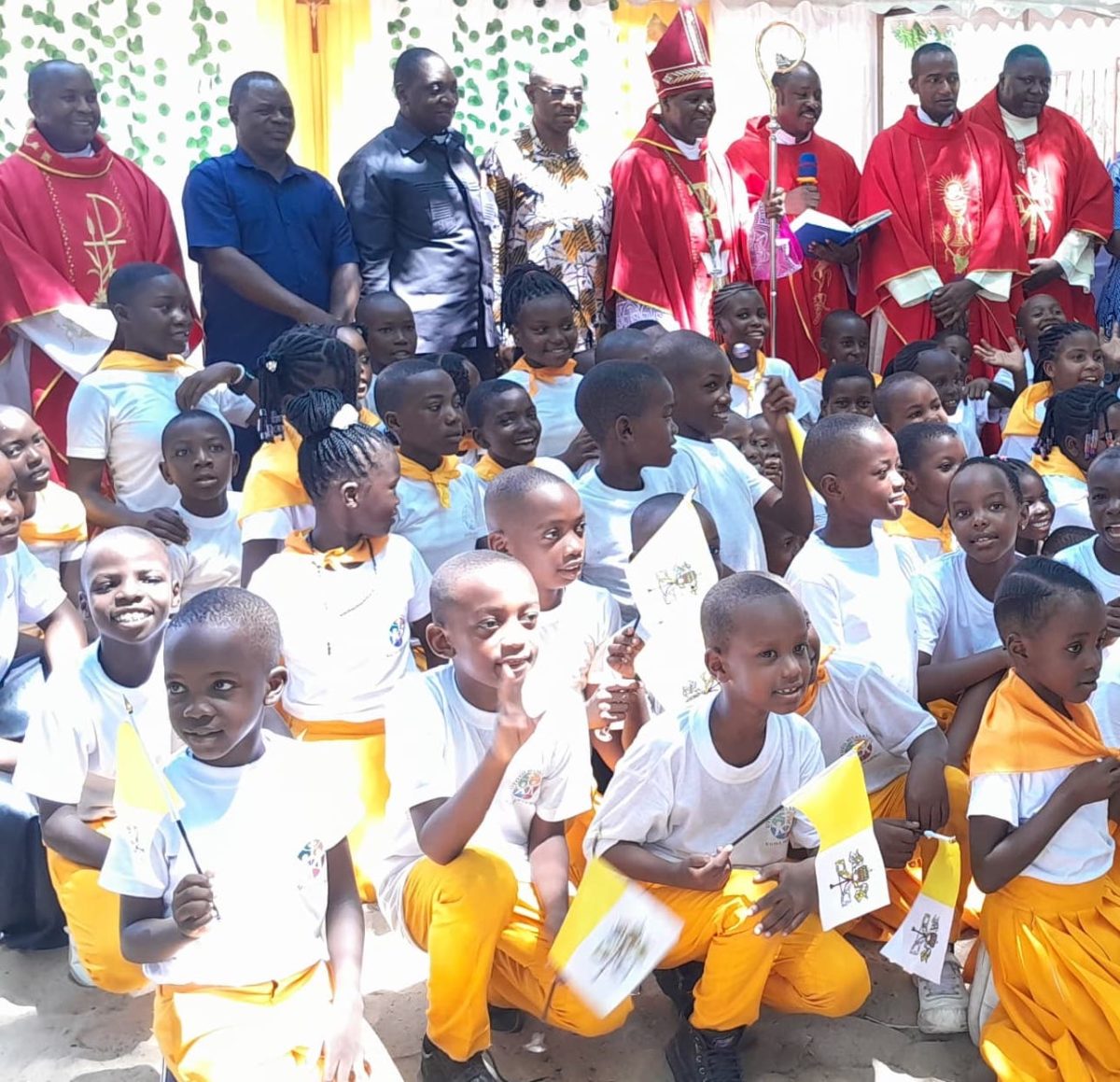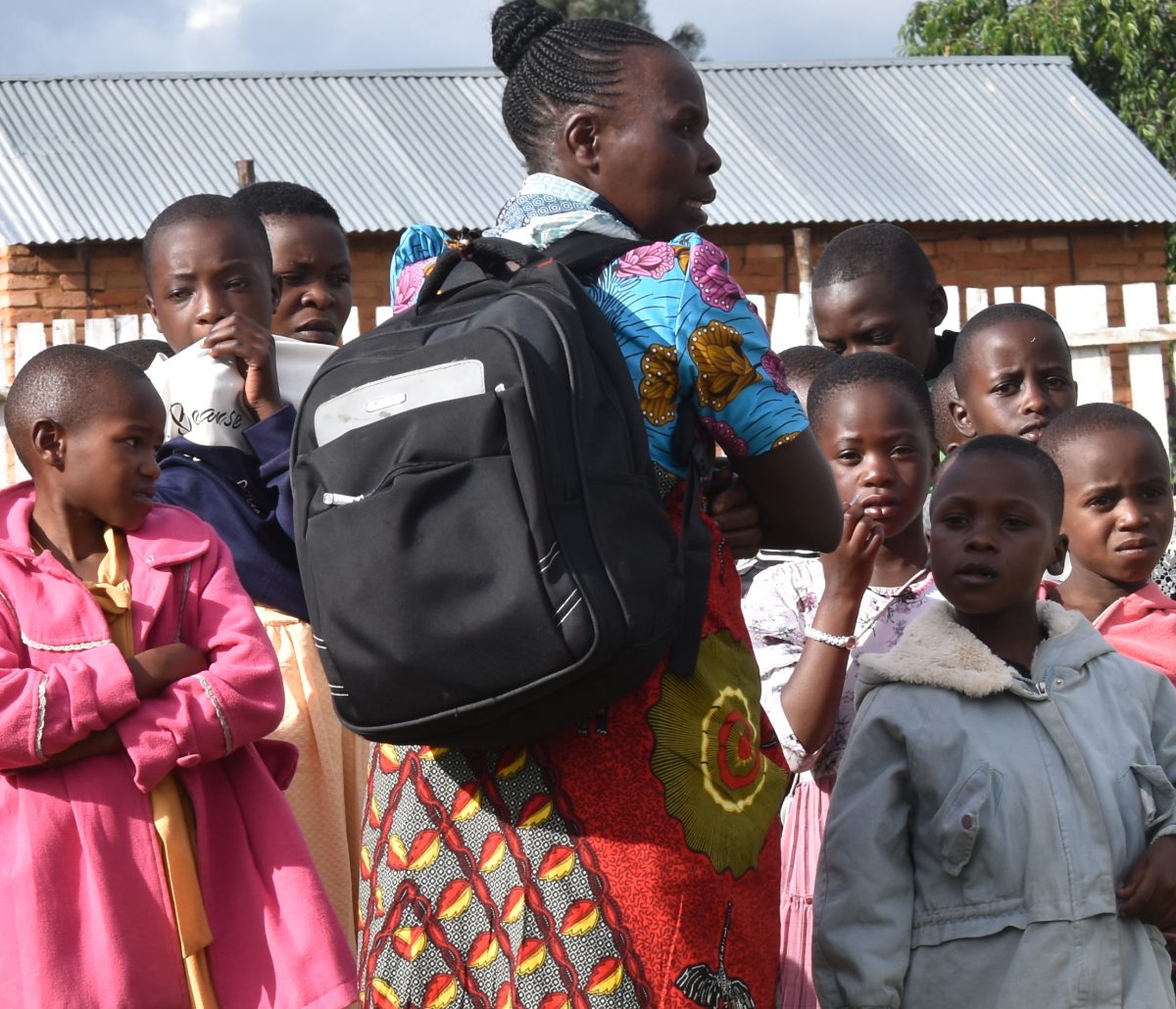
In the whole matter of teaching children, it is important for Animators to realize that the activity they are doing requires sacrifice in order to obtain merit from God Almighty. Children are a group that in teaching requires creativity, wisdom and even humbling themselves to be like a child so that they can understand the one who is teaching them. In fact, the animator should be careful to choose a good way to teach children and to attract them so that they do not get tired of listening to her/him. For this reason, this section describes various methods that can be used by caregivers to teach children.
- Questions and Answers
This method is very good because it excites children in finding answers. The animator should prepare his teaching topic and compose various questions for which he knows that through these questions, the children will have understood what he intended if he knows or has already taught it, he wants to know whether they understood or not. When this method is used, the caregiver must be aware of the answers to the questions he asks the children, so that after the children answer, he has the ability to correct where he sees that the children did not give adequate answers. The Animator should never discourage the child when he answers even if he is wrong by telling him he does not know but praise him for trying to answer and then ask other children the same question, and later explain the full answer to the question he asked before continuing with another question.
Something to consider is that the caregiver should not ask the same children questions every time but change them so that all children can participate in the discussion. When he does the opposite, other children will not feel that they are also part of the class but will only be listeners who will not even want to understand the session further.
In addition, this question and answer method can be used in two ways, namely the caregiver formulates questions and asks the children, or the children formulate questions and ask the caregiver.
- Direct explanation
In this method, the animator is the main speaker. Therefore, he should first prepare his session well and then ensure that the children are sitting in a good and calm state before starting to teach them. Also, he should ensure that the environment where the children are sitting does not have too much noise that will cause them to scatter their thoughts. For example, the caregiver should avoid places where cars pass by every hour, people, attractive objects such as food and other things that can distract the children’s attention while the session is in progress. The caregiver should use a cheerful voice accompanied by the use of various gestures and actions (body parts) that will enable the children to listen to him carefully without falling asleep or getting bored.
In addition, when this method is used, caregivers should choose topics that they think the children do not know much and teach them those. In this method too, the caregiver should prepare a short session because if he prepares a long one, the children will not follow him and will eventually leave him talking to himself. After finishing his explanation, he must ask the children, even if only a few, to explain what they have understood so that he can repeat where he feels he did not understand well.
- Teaching through Role-Playing
This method is also very good because when used, children understand quickly because they use various words, gestures and actions that make them remember more easily. When a caregiver uses role-playing in teaching, he or she should first determine what he or she wants to teach the children and then design a role-playing game that will fit the subject he or she intends to teach. After designing the role-playing game, he or she should ask the children who they would like to play in the role-playing game. For example, if a caregiver wants to teach children about the Importance of Education, he or she can plan a role-playing game that includes parents, a student who is interested in education, teachers, and a child who does not like to read so that when the role-playing game is performed, it can bring about the intended goal of the children to see the importance of education and, on the other hand, to see the consequences of not liking to read. There are many examples of role-playing games that can be used in teaching children.
The main thing that the animator should consider is to ask the children what they have understood in the role-playing game to understand whether his or her goals have been achieved in the sense that the children understood what he or she intended to understand. With this method, all children can understand, even those with limited understanding. This method can be used before or after a topic is taught, to increase knowledge on the topic. The caregiver can also prepare role-plays to go through the tapes that have already been played, the children do not have to just act them out all the time. The important thing is to get the intended message.
- Discussion (Groups)
This method requires the animator to first organize their children into groups of no more than four children per group. In organizing these groups, it is necessary to mix children of different ages and more, considering the criterion of understanding. For example, there are children who understand quickly, others are in the middle and others understand slowly. It is a good thing for the caregiver to mix all the children in each group so that they can teach each other because if he arranges children with little understanding in one group, it will be difficult to achieve the exercise.
Since the children are still young, the animator should give something to discuss that he has already taught and so he just wants them to remind each other. The main goal of using this method is to build children’s ability to learn on their own and also to be able to reach each child where he is because it is not easy for all children to understand when the caregiver is teaching if he has a large number of children. In addition, it is good for children to visit each other from one group to another to listen to what their peers are discussing but under the supervision of the animator, so that they do not start games instead of learning.
- Learning through Pictures
It is good for the Animator to also use the picture method because children really like looking at pictures and giving them interpretations or meanings carried by those pictures. Therefore, the caregiver should use pictures that can explain the idea he is teaching in order to build the ability of the children to grasp what he is teaching. For example, if he is explaining the topic about the suffering of Jesus, it is good for him to have a picture of Jesus in suffering or the cross of Jesus in front of him so that the children can see the reality of what they are being taught. Likewise, if he is teaching children about mass clothing, he should have that clothing so that the children can relate to the caregiver’s explanation.
It should be noted that, a picture of an object can be shown at the beginning before the caregiver explains what he is teaching, so that the children have a chance to look at it and finally ask them what they saw and understood. After getting feedback, the caregiver should say what he is teaching them that day based on the answers he received from the children. On the other hand, the caregiver can first teach the children and at the end show them a picture that carries the theme of the episode and finally ask them if they understand what the picture is about. This method gives the child a higher understanding because he will be able to relate what he was taught to what he saw in the picture.
- Using the Holy Scriptures during Teaching
It is very good for the Animator when teaching, to use the holy scriptures as a way to increase knowledge or attention in the children’s minds. For example, if he is teaching about giving acts of mercy, he should find a part of the holy scriptures that shows how Jesus also gave acts of mercy by healing the sick (Mt 8-12), feeding the people (Mt 15:32, 16:10) or any part in the holy scriptures that describes acts of mercy. By doing so, he will make the children see the importance of them giving acts of mercy because even Jesus did that. Therefore, caregivers should strive to use the holy scriptures when teaching children and not just talk about things that have no reference in the Bible.
- Teaching through Stories
Children love to listen to various stories and even be given the opportunity to tell them themselves. So, caregivers can also use this method to teach children so that they can better understand the subject they intended to teach. As in drama, the caregiver can teach something and then at the end tell the children to tell a story related to that subject, or the story can be told at the beginning and then the caregiver can relate it to what he has prepared to teach. It is clear that when a child receives teachings from the caregiver and then combines it with a story that carries an idea like the one taught, the child will not forget it even for a day.
Examples of stories that a animator can teach children are various stories from the Bible, which have the role of providing a certain teaching to children. However, since the child of the Holy Childhood should also be taught about worldly knowledge in order to cope with his environment, it is also good for the caregiver to guide the children in telling other common stories to teach morals. The goal is to create a child so that he can build a spiritual and physical personality while successfully managing his environment.
- Using Songs in Teaching
It is obvious that children love to sing and have the ability to understand what they are singing about. animator can sometimes use songs in their teaching to make what they are teaching easier to understand. For example, they can find a song that they know that if they start it at the beginning of the lesson, the children can help them understand what they want to teach. On the other hand, they can sing it after the lesson to reinforce their knowledge of the lesson. However, a song can be sung at any time with the aim of encouraging children not to fall asleep or not to get better with the teacher’s teachings because young children cannot listen to one thing without getting excited.
- Trips
This is also a good technique that when used helps the child to get the reality of what he has already been taught. For example, when the teacher teaches children about giving acts of kindness, he should plan a visit to go and visit one group of people for example: orphans, the elderly or the sick. This will help children to recognize what they were told in class about the problems of life in these groups mentioned because they will be seeing the reality of their lives.
- Actions
Animators should often use actions in what they teach. The reason why the caregiver should direct the child to actions is that these will create a sense of awareness in the child of what he should do, so that later he can do it too. For example, if he is teaching children about praying or asking for forgiveness, he should teach the children how they should do it with actions of great humility and let them do the same. These actions are such as; holding hands and saying words of apology for example; “please forgive me” and “I’m sorry” in a state of humility and not just saying it to himself without any sign of having a heart of repentance. Or if the caregiver is teaching children about praying the sign of the cross, he should, after showing them how the sign of the cross is made, tell them to do the same, again until they understand. By using practical methods for children, the caregiver can easily understand the level of understanding of their children.
In addition to the methods described above, the caregiver can also use rhymes, proverbs and poems to be successful in children’s classes. However, it should be noted that these teaching methods discussed are not meant to be used all together and for every lesson prepared to be taught. These are aimed at giving the caregiver a wide field of choice in his teaching, so that he can effectively achieve what he is teaching the children.
Prepared by: Sr Anagladness Mrumah, National Holy Childhood Secretary
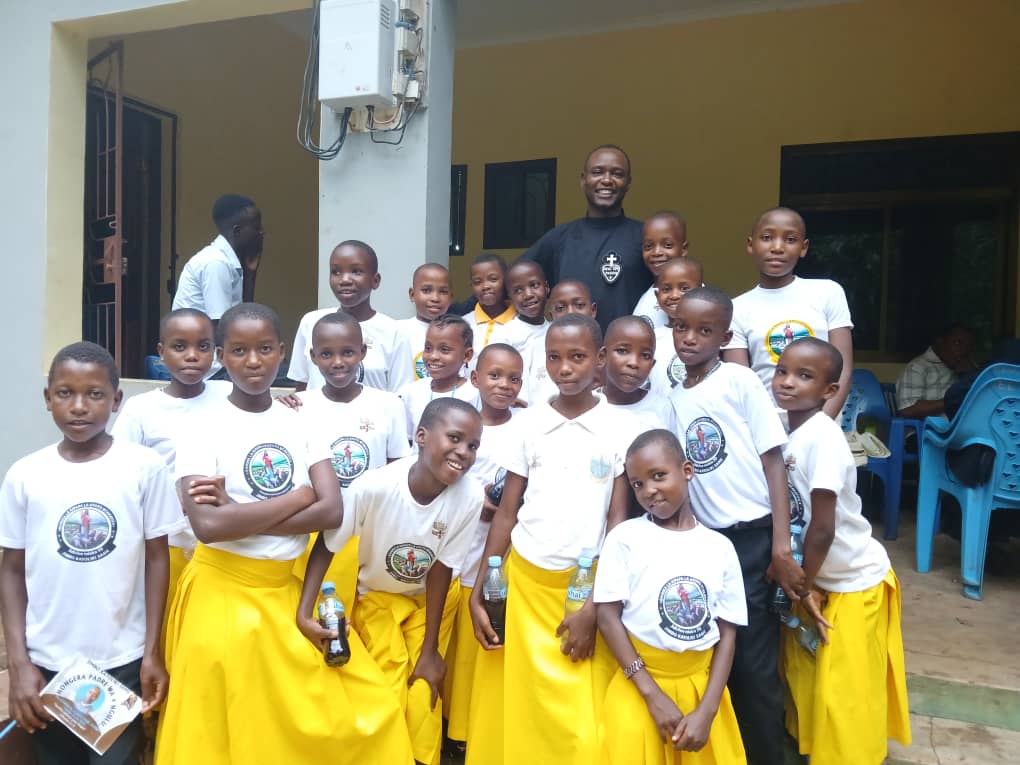
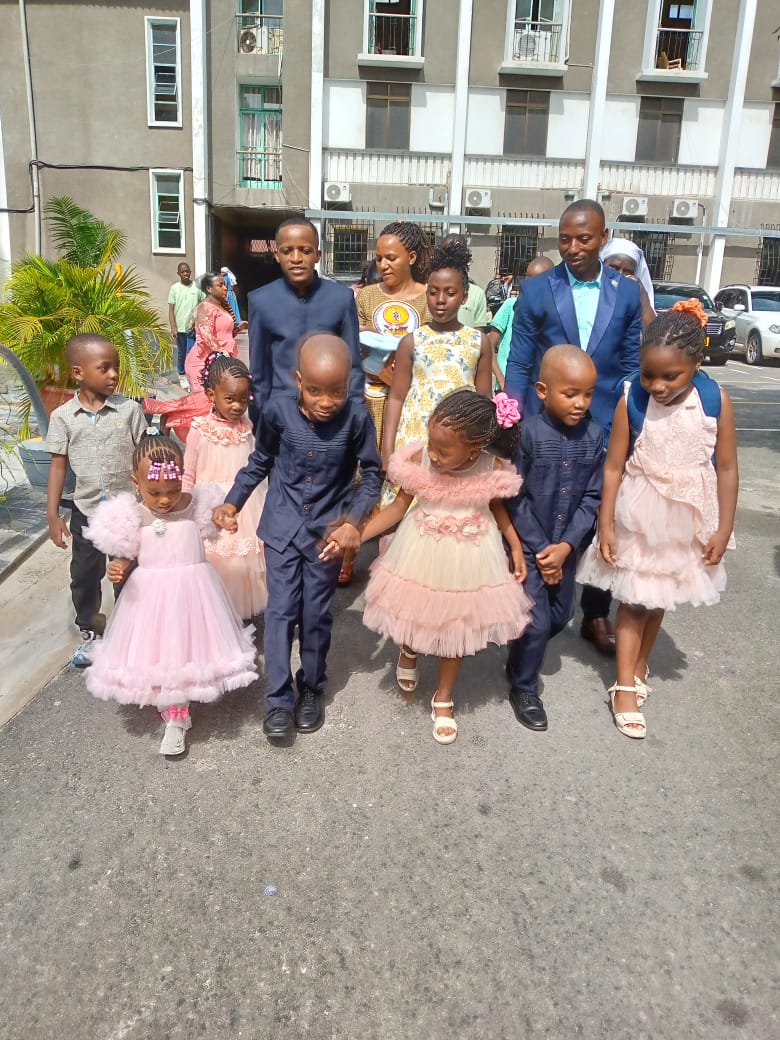
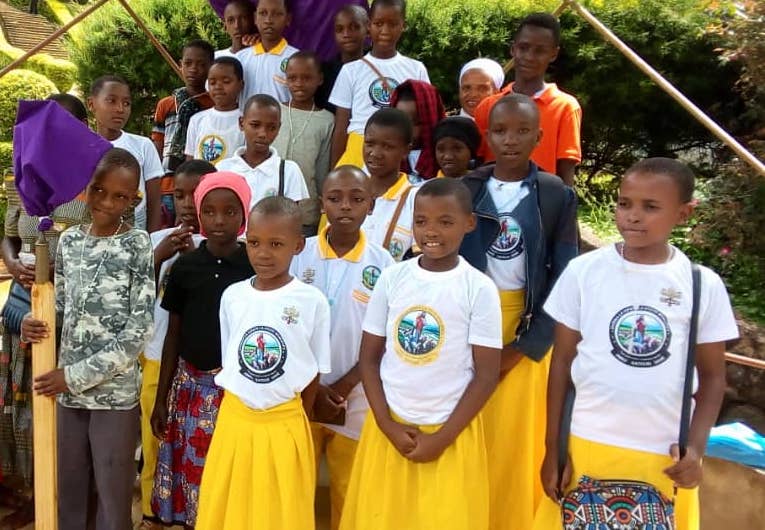
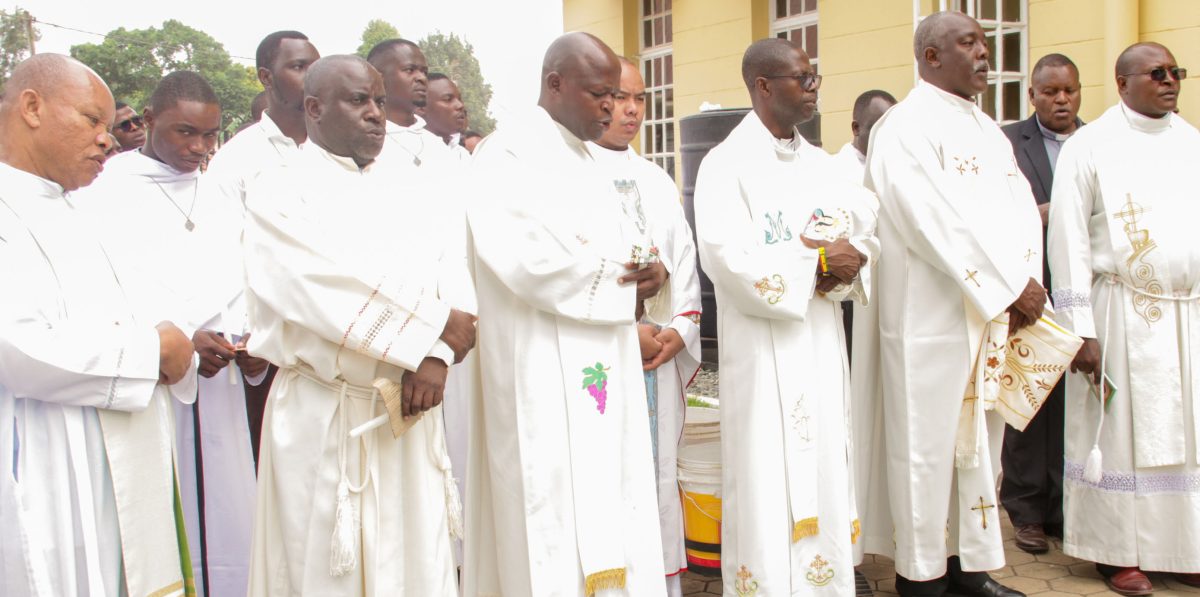
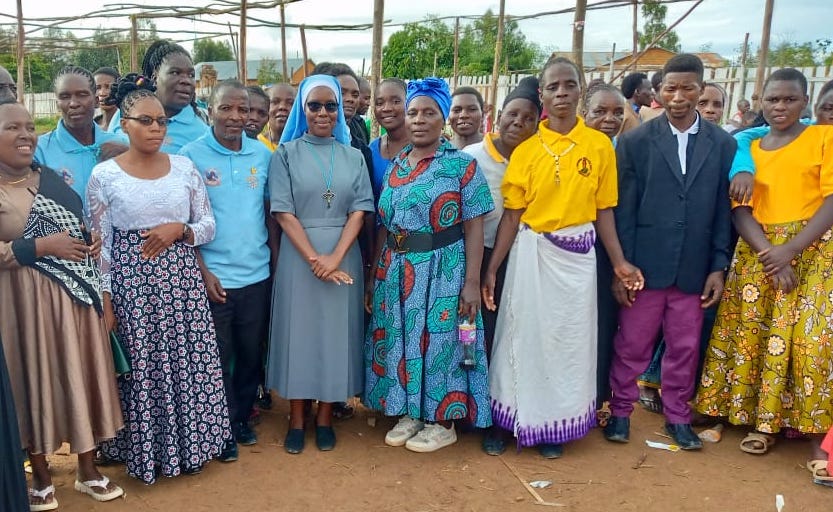
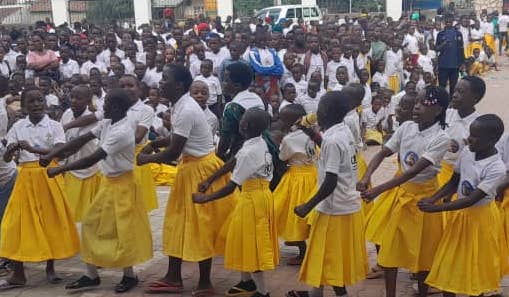
 In a special way, the National PMS Office thank God for having the opportunity to participate in the Diocesan Holy Childhood Congress which started on January 31-01, 2025. As is the case with other diocesans, on behalf of the National PMS Office, Sr Anagladness Mrumah who is the secretary of Holy Childhood at the national level, admits to be very happy with this first Congress of Holy Childhood diocesan level, which has been successful with high efficiency.